
Memphis summers bring heavy humidity and heat that challenge even modern heat pumps, while winters test their heating efficiency. Proper seasonal attention keeps these versatile systems operating at peak levels, cutting monthly bills and preventing unexpected expenses. This guide offers practical strategies based on years of local observations to help homeowners maximize performance and value.
When performance dips during temperature swings, many turn to experienced heat pump service Memphis, TN, for diagnosis and repairs. Understanding how routine care influences efficiency helps avoid those calls altogether while delivering measurable savings throughout the year.
Spring Preparation for Cooling Season
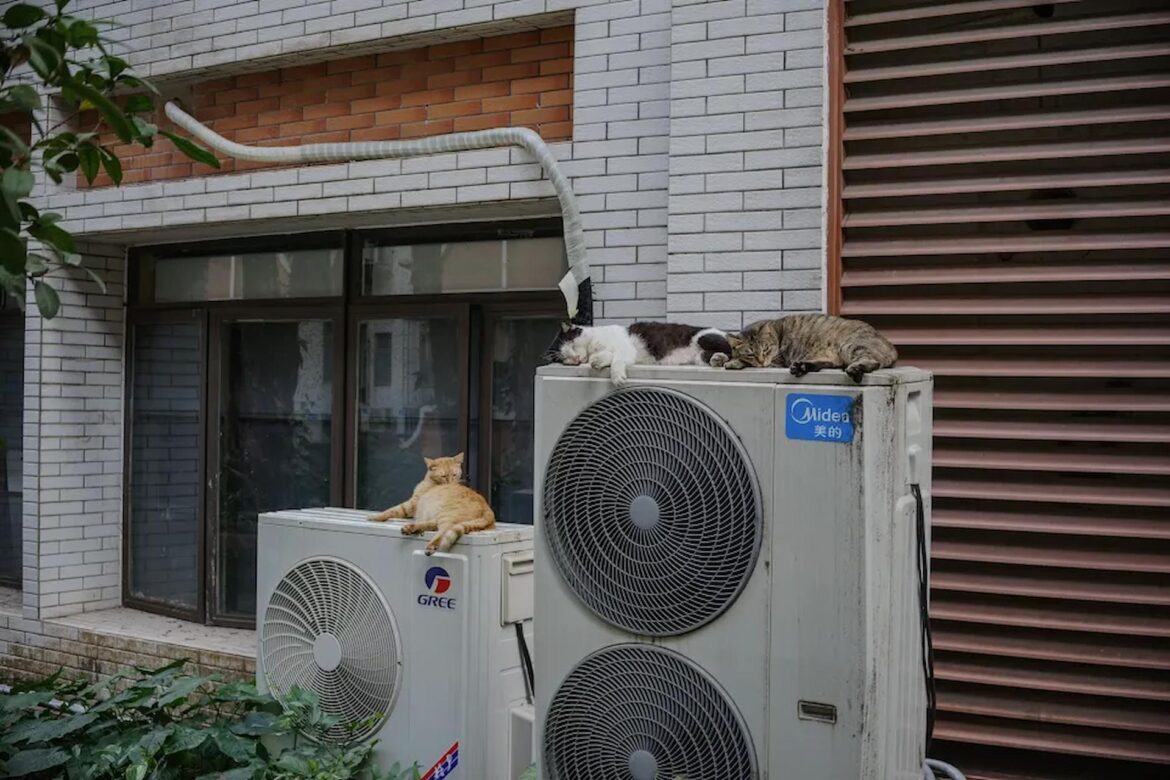
Before humidity rises, focus on clearing outdoor coils of winter debris and pollen buildup common in the Mid-South. Restricted airflow makes the system work harder to reject heat, driving up energy use. A thorough cleaning restores capacity and allows the unit to cycle less frequently during peak afternoon heat.
Fall Checks Before Heating Demands Increase
As temperatures drop, verify defrost mechanisms and reversing valve operation through professional inspection. Memphis winters, though mild, still produce enough moisture for frost accumulation that forces supplemental heat strips. Addressing these elements early keeps the heat pump handling most loads efficiently instead of relying on costlier backup methods.
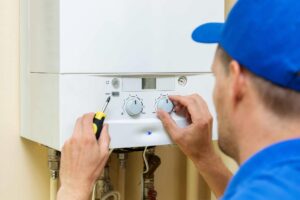
Consistent heat pump service Memphis, TN, reveals small refrigerant imbalances or electrical wear before they compound into larger efficiency losses. Technicians adjust components to match actual home loads, which often differ from original design assumptions after years of occupancy changes or renovations.
Filter Management Throughout Seasons
Dirty filters restrict airflow year-round, causing the blower motor to draw excess power while reducing heat exchange effectiveness. Changing them every one to three months prevents this strain and maintains better indoor comfort. Homes with pets or near pollen-heavy areas benefit from more frequent attention to avoid gradual performance decline.
Thermostat and Usage Patterns
Avoid large temperature swings that trigger inefficient operation. Steady settings paired with ceiling fans allow the heat pump to run in its most effective range. Programmable options help match operation to household schedules, reducing unnecessary runtime during unoccupied hours without sacrificing comfort upon return.
Coil and Drainage Attention
Both indoor and outdoor coils accumulate contaminants that insulate against proper heat transfer. Cleaning preserves the temperature differential needed for efficient operation. Clear condensate lines prevent backups that lead to moisture problems or system shutdowns, particularly important in Memphis’s humid climate.
Real-World Examples From Local Properties
A Midtown family noticed higher summer bills after skipping spring service. Following a full tune-up and filter upgrade, their system ran shorter cycles and maintained even temperatures. Similar patterns appear across Germantown and Cordova homes where proactive care consistently outperforms reactive approaches.
- Schedule professional inspections before cooling and heating seasons begin
- Replace air filters regularly based on household conditions
- Keep outdoor unit clear of vegetation and debris year-round
- Monitor for unusual sounds or longer run times as early indicators
- Use programmable thermostats to align with daily routines
- Address minor issues promptly rather than waiting for full failure
Ductwork and Airflow Optimization
Leaky or dirty ducts force the heat pump to compensate with longer operation, wasting energy. Sealing and cleaning improve distribution so each room reaches set temperatures faster. This balanced airflow reduces overall workload and prevents hot or cold spots that prompt thermostat adjustments.
Humidity Control Integration
Memphis humidity challenges heat pumps by requiring extra dehumidification effort. Supplemental controls or proper sizing help manage moisture without over-cooling, which preserves efficiency. Well-maintained systems remove humidity more effectively, improving comfort at higher thermostat settings.
Long-Term Cost Analysis
Initial service investments return through lower utility bills and extended equipment life. Systems receiving regular attention often operate efficiently five to ten years longer than neglected ones. Tracking energy consumption before and after care demonstrates clear financial benefits over multiple seasons.
Comparing Seasonal Versus Reactive Approaches
Owners who wait for problems face higher repair costs and prolonged inefficiency periods. Scheduled care spreads attention evenly, catching issues during off-peak times when parts and labor availability support better outcomes. This approach maintains steady performance instead of dealing with spikes in consumption or discomfort.
Strategic Investment in Performance
Prioritize seasonal heat pump care to lower operating costs and enhance reliability. Regular attention to filters, coils, airflow, and professional checks produces compounding benefits. Memphis homeowners who implement these practices enjoy consistent comfort with reduced energy expenses across changing seasons.