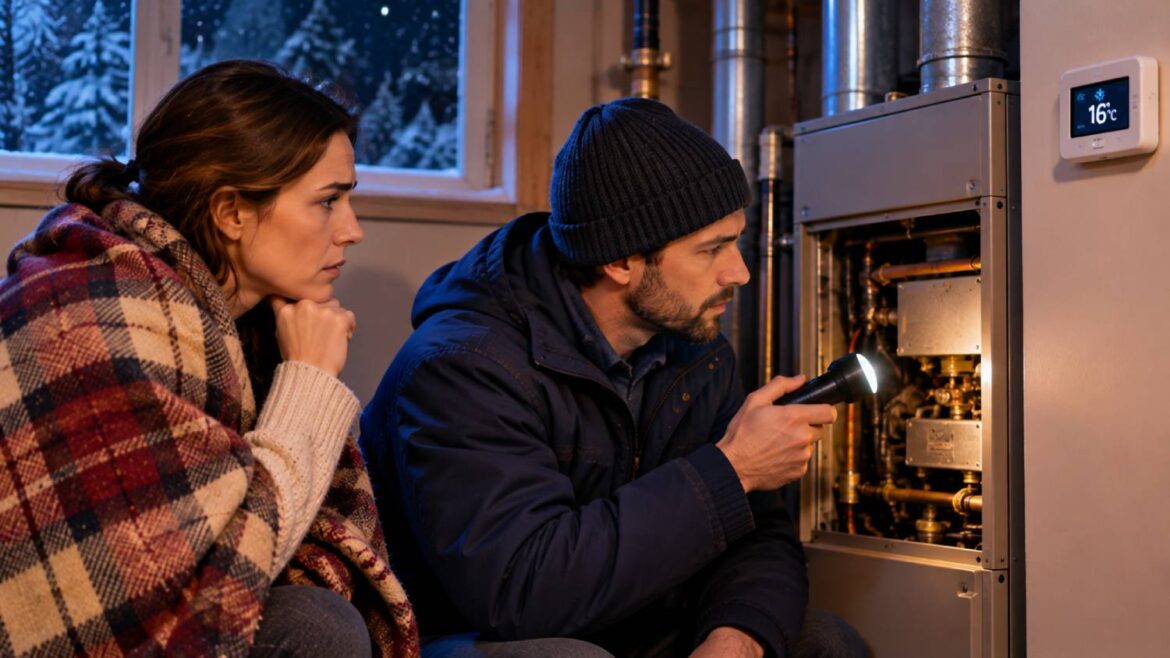

A furnace breakdown on a freezing winter night can quickly turn a comfortable home into an uncomfortable space. When the heating stops working, it is important to stay calm, identify any immediate safety concerns, and determine what steps you can take without risking further damage.
Knowing when to check your thermostat, inspect your air filter, or call a professional can help you respond more effectively. Homeowners seeking furnace repair and installation in Chambersburg, PA, should also understand how timely repairs, safe troubleshooting, and regular maintenance can help protect their heating systems throughout the winter.
Check for Immediate Safety Hazards
Before attempting to restart your furnace, look for signs that could indicate a dangerous problem. If you smell gas, hear a gas leak, or suspect a carbon monoxide issue, leave the home immediately. Do not operate electrical switches, use open flames, or attempt to locate the leak yourself. Contact emergency services or your gas utility from a safe location.
Carbon monoxide is an odorless, colorless gas that can cause serious illness. Symptoms may include headaches, dizziness, nausea, weakness, and confusion. If a carbon monoxide alarm sounds, move everyone outside and seek emergency assistance. Never ignore an alarm or assume that opening a window makes it safe to remain indoors.
If there are no signs of immediate danger, you can carry out a few basic checks before arranging professional assistance.
Identify Common Reasons Your Furnace Has Stopped Working
A furnace can stop producing heat for several reasons, and not every issue requires major repairs. Understanding common causes can help you describe the problem accurately when contacting a technician.
Start by checking the thermostat. Confirm that it is set to heating mode, the target temperature is higher than the current room temperature, and the display is working. If it uses batteries, replacing them may restore operation.
Next, consider airflow. A heavily clogged air filter can restrict circulation and cause some furnaces to overheat and shut down for protection. Check the filter and replace it if necessary, following the manufacturer’s instructions. Also, make sure supply vents and return-air grilles are not blocked by furniture or other objects.
Other possible causes include a tripped circuit breaker, a faulty ignition component, a malfunctioning blower motor, or a safety switch that has shut the system down. Some problems require specialist tools and training to diagnose. Avoid removing furnace panels or attempting electrical, gas, or internal component repairs yourself.
Take These Practical Steps to Restore Heat Safely
Once you have ruled out obvious safety hazards, focus on simple checks that do not require dismantling the equipment.
- Check the thermostat settings. Make sure the system is set to heat and the temperature setting calls for warmth. If the display is blank, check the batteries where applicable.
- Inspect the circuit breaker. Look for a tripped breaker serving the furnace. If you identify one, follow the manufacturer’s guidance. If it trips again, leave it off and contact a qualified technician rather than repeatedly resetting it.
- Check the air filter. Replace a dirty filter with the correct type and size. Restricted airflow can affect heating performance and trigger protective shutdowns.
- Inspect accessible vents and outdoor exhaust outlets. Ensure indoor vents are open and unobstructed. From a safe position, look for visible snow or debris blocking an outdoor intake or exhaust terminal. Do not climb onto icy surfaces or dismantle venting equipment.
- Record what happens when heating is requested. Note whether the furnace is completely silent, starts and stops repeatedly, blows cool air, or displays an error code. This information can help the technician diagnose the fault.
If these checks do not restore heating, stop troubleshooting and arrange professional service. Repeatedly restarting a malfunctioning furnace may worsen the problem or expose occupants to unnecessary risk.
Keep Your Home Safe and Warm While Waiting for Repairs
When the temperature drops, protecting household members from the cold becomes a priority. Close exterior doors and windows, draw curtains, and gather in a smaller room to retain warmth. Use blankets and suitable layers of clothing rather than relying on unsafe heating alternatives.
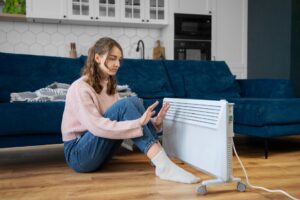
Never use an oven, stovetop, charcoal grill, or outdoor camping heater to heat an indoor space. These can create fire hazards or dangerous carbon monoxide levels. Portable electric heaters should be used according to their instructions, kept away from bedding and other combustible materials, and plugged directly into an appropriate wall outlet rather than an extension cord or power strip.
Pay particular attention to older adults, young children, and people who may be more vulnerable to cold temperatures. If the home becomes dangerously cold, consider moving to a warmer location while repairs are arranged.
During freezing weather, protect plumbing as well. Keep cabinet doors open where pipes are located along exterior walls, and allow appropriate indoor circulation around vulnerable areas. If the home is likely to remain unheated for an extended period, ask a qualified professional about additional precautions to reduce the risk of frozen pipes.
Know When Professional Furnace Repair Is Necessary
A sudden loss of heat can result from a minor issue, but it may also indicate a component failure that needs prompt attention. Professional assessment is appropriate when basic checks do not resolve the problem, the furnace repeatedly shuts down, airflow remains weak, or unusual noises and persistent burning odors develop.
A technician can inspect the ignition system, blower assembly, electrical connections, safety controls, and other relevant components to identify the underlying cause. For gas furnaces, proper evaluation of combustion and venting is especially important because faults can create serious safety concerns.
Homeowners considering furnace repair and installation in Chambersburg, PA, should explain when the breakdown occurred, what the system was doing beforehand, and whether any warning signs appeared. A clear description helps the technician understand the situation and determine the next steps.
Depending on the furnace’s condition, age, repair needs, and overall performance, repairing the existing unit may be reasonable. If breakdowns are frequent or significant components have failed, discussing replacement options may also be worthwhile. The decision should be based on the system’s condition and the costs and benefits of each option.
Prevent Future Breakdowns With Regular Maintenance
Although no maintenance routine can eliminate every unexpected failure, regular servicing can help identify developing problems before winter temperatures become severe.
Arrange a professional inspection before the heating season begins. During appropriate maintenance, a technician can examine key components, check system operation, assess airflow, and identify potential safety concerns. Follow the manufacturer’s recommendations for filter replacement and other routine care.
Pay attention to changes in performance throughout the season. Uneven heating, unusual noises, repeated cycling, persistent odors, or an unexplained increase in energy use may indicate that the furnace needs attention. Addressing these changes early is generally more practical than waiting until the system stops working completely.
It is also helpful to keep the furnace’s model information, maintenance records, and service contact details accessible. Knowing whom to call and where to find essential equipment information can make an unexpected winter breakdown easier to manage.
Final Thoughts
A sudden furnace breakdown on a cold winter night calls for a calm, safety-focused response. Check for hazards first, perform only simple troubleshooting, protect your household from the cold, and seek professional help when the problem cannot be resolved safely. Never attempt repairs involving gas lines, internal electrical components, or combustion systems without appropriate qualifications.
Before winter arrives, schedule routine maintenance, replace filters as recommended, and keep service information readily available. If your furnace repeatedly fails or can no longer heat your home reliably, obtain a professional assessment to determine whether repair or replacement is the more appropriate long-term solution.