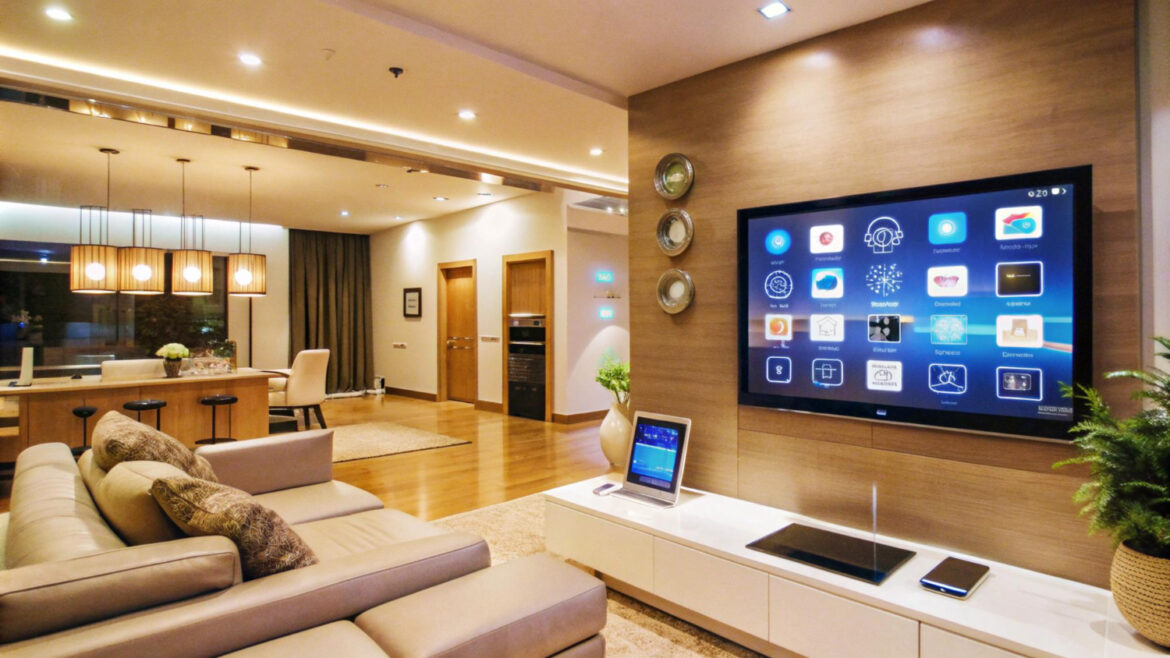

Smart home technology has become a simple part of modern everyday life. You do not need to turn your whole house into a high-tech space to enjoy its benefits. Even a few useful smart devices can make daily routines easier, more comfortable and more convenient. From controlling lights with your phone to checking your front door when you are away, smart technology can help you manage different parts of your home with less effort.
The good thing about smart home technology is that there are options for different needs and budgets. Some devices can help save energy, while others can improve home security or make everyday tasks quicker. Many smart products can also work together through a mobile app or voice assistant, making it easier to control several things from one place. If you are thinking about making your home a little smarter, these seven technologies are useful places to start.
Smart Lighting
Smart lighting is one of the easiest ways to bring smart technology into your home. Smart bulbs and smart lamps can usually be controlled using a mobile app, remote control or voice command. You can turn lights on or off without getting up, and some systems allow you to change brightness and colour depending on your mood or activity.
Why Consider It: Smart lighting can make everyday routines more comfortable. You can create brighter lighting while working or reading and use softer lighting in the evening. Some systems can also be scheduled, so your lights switch on or off at particular times.
Best For: It is a good choice for bedrooms, living rooms, kitchens and hallways. It can also be useful when you are away from home because scheduled lighting can make the house look occupied.
Smart Thermostats
A smart thermostat can help you manage the temperature of your home more easily. Instead of adjusting the heating manually throughout the day, you can use an app or set a schedule. Some smart thermostats can also learn your routine and adjust the temperature based on your habits.
Why Consider It: Better control over heating can make your home more comfortable and may help you avoid wasting energy. You can also adjust the temperature before arriving home, which means you do not have to wait for the house to warm up.
Best For: Smart thermostats are especially useful for busy households where heating needs change during the day. They can also be helpful if you want to keep a closer eye on your home’s energy use.
Smart Doorbells
Smart doorbells are useful for improving awareness around your front door. They usually include a camera and can send an alert to your phone when someone approaches or presses the doorbell. Depending on the model, you may also be able to speak to someone through the doorbell using your phone.
Why Consider It: A smart doorbell lets you see who is at your door without having to open it immediately. It can also be useful when you are not at home because you may still be able to check alerts and communicate with someone at the entrance.
Best For: This technology is useful for families, people who receive regular deliveries and anyone who wants an extra way to monitor their front entrance.
Smart Security Cameras
Smart security cameras can help you keep an eye on important areas around your home. Indoor and outdoor cameras are available, and many can send notifications to your smartphone when they detect movement. Some models also offer features such as night vision and two-way communication.
Why Consider It: Being able to check your home remotely can provide useful information when you are at work, travelling or simply in another room. Motion alerts can also help you notice unusual activity more quickly.
Best For: Smart cameras can be placed near entrances, driveways, gardens or other areas where you want additional monitoring. Always check privacy settings and local rules before installing cameras.
Smart Plugs
Smart plugs are a simple way to make ordinary electrical devices smarter. You simply connect a compatible appliance through the smart plug and control it using an app or voice assistant. This can be useful for lamps, fans and other suitable household devices.
Why Consider It: Smart plugs can help you control appliances without manually switching them on or off. Many also allow you to create schedules, which can be useful for devices that you use at similar times each day.
Best For: They are ideal for people who want to try smart home technology without replacing their existing appliances. They are also a relatively simple starting point for beginners.
Smart Speakers
Smart speakers can be used for much more than playing music. They can answer simple questions, set alarms, create reminders and control compatible smart home devices. With a voice assistant, you can use spoken commands instead of reaching for your phone.
Why Consider It: Voice control can make everyday tasks quicker, especially when your hands are busy. You can ask the speaker to set a timer while cooking, play music while relaxing or control compatible lights around the house.
Best For: Smart speakers work well in kitchens, bedrooms and living rooms. They can also act as a central control point for other compatible smart devices.
Smart Robot Vacuum Cleaners
Keeping floors clean can take time, especially in busy homes. Smart robot vacuum cleaners can move around the home automatically and clean floors according to a schedule. Some advanced models can map rooms and allow users to choose particular areas for cleaning.
Why Consider It: A robot vacuum can reduce the amount of time you spend on everyday floor cleaning. You can often set it to clean while you are working, relaxing or away from home.
Best For: This technology is useful for busy households, homes with pets and people who want to keep floors cleaner with less daily effort. It works particularly well on suitable hard floors and carpets.
FAQs
What is smart home technology?
Smart home technology refers to connected devices that can be controlled automatically, through a mobile app or with voice commands. These devices can help with comfort, security, lighting, heating and everyday household tasks.
Is smart home technology difficult to use?
Most modern smart home devices are designed to be fairly simple to set up and use. Many connect through a smartphone app and provide clear instructions during installation.
Can smart home technology save energy?
Some smart devices may help you manage energy more efficiently. For example, smart thermostats and smart lighting can be scheduled so they are not running unnecessarily.
Do all smart home devices work together?
Not always. Different products may use different systems or platforms, so it is important to check compatibility before buying several devices for your home.
What is the best smart home technology for beginners?
Smart bulbs and smart plugs are usually simple starting points because they can add useful features without requiring you to replace your existing household appliances.
Conclusion
Smart home technology does not have to be complicated or expensive. The best devices are often the ones that solve small everyday problems and make normal routines a little easier. Smart lights can give you better control over your home, while smart thermostats can help manage heating. Security cameras and smart doorbells can provide extra awareness around your property, and smart plugs can give older appliances some useful connected features.
If you are new to smart home technology, there is no need to buy everything at once. Start with one or two devices that match your daily needs and learn how they work before adding more. It is also important to check that your devices are compatible with each other and to use strong passwords and updated software. With the right choices, smart technology can make your home more convenient, comfortable and easier to manage every day.